The Rooms Behind The Work
Twenty-six years of diagnosing businesses does not happen in a vacuum. Every room on this page shaped how I read a P&L today.

Peers, Statesmen, and Publishers
The rooms where US policy, capital, and public discourse get written. Every American balance sheet, small business or Fortune 500, sits downstream of decisions made in rooms like these. Reading these rooms is where I learned to read every other room.
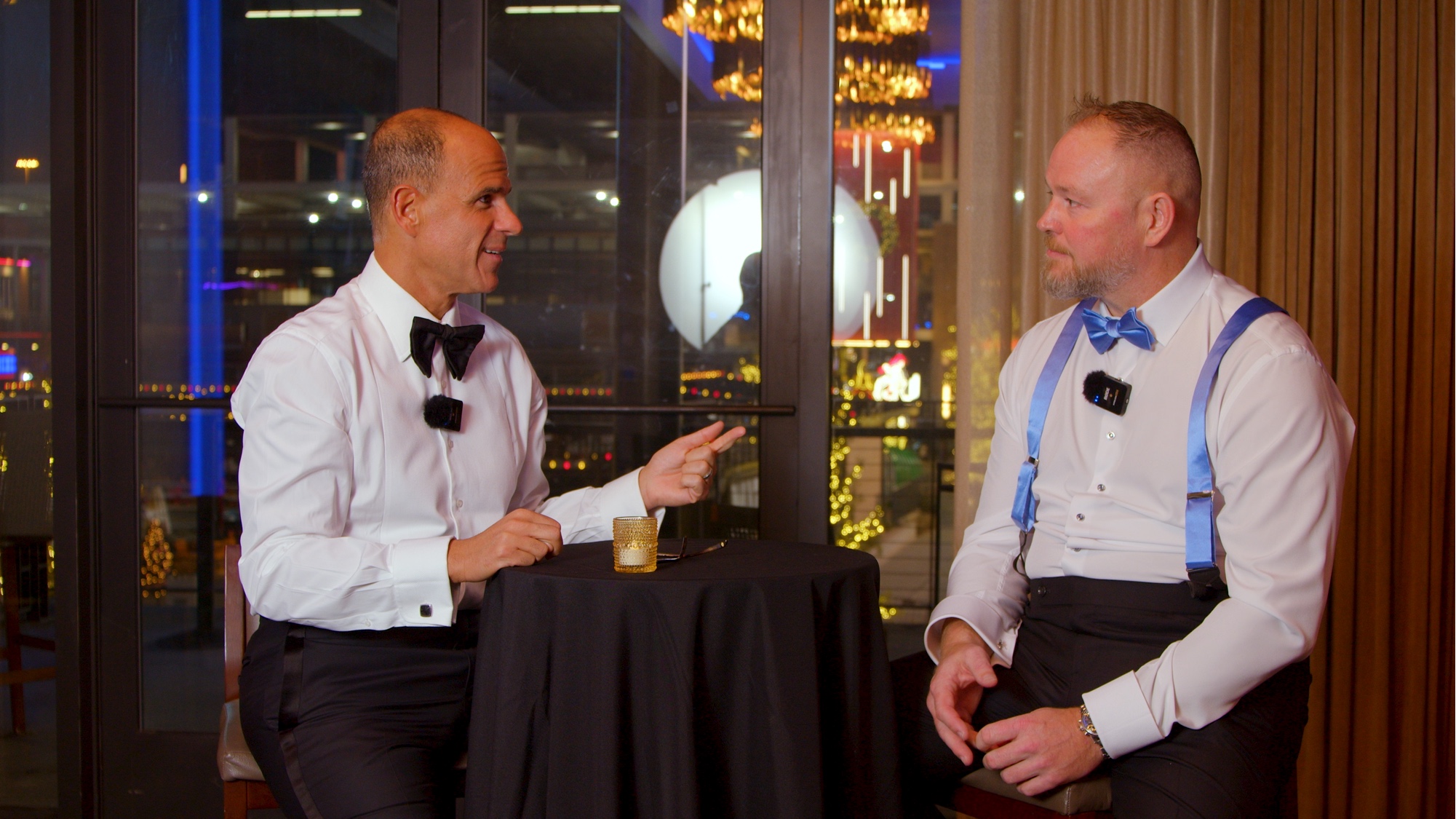
Marcus Lemonis
Host of The Profit on CNBC. Chairman of Beyond Inc. Former CEO of Camping World. Marcus took the same thesis I run every day, that privately held businesses are dying with clean books, and put it on national television. Sitting across the table from him is one of the moments I keep coming back to.
Watch the interview →
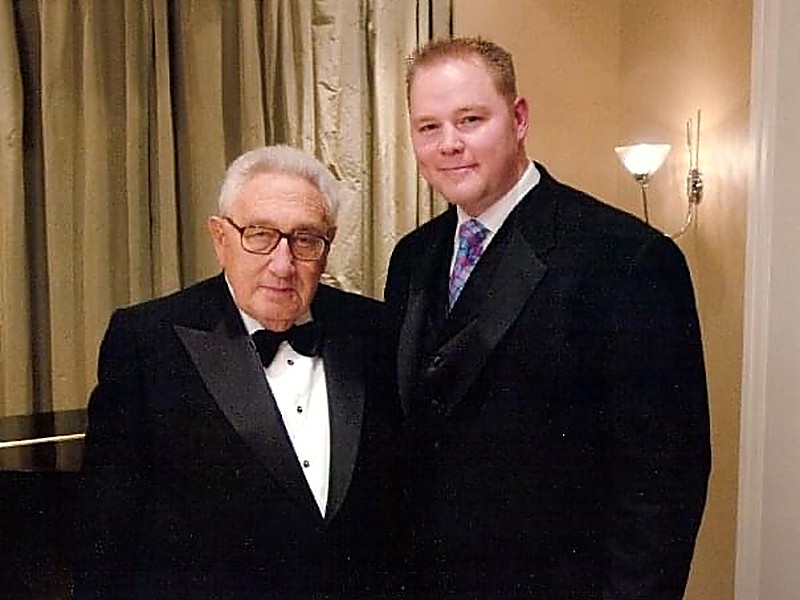
Henry Kissinger
Secretary of State. Nobel Peace laureate. Architect of American realpolitik across a half-century of global policy. Kissinger thought in twenty-year arcs when the rest of the room was thinking in headlines. That is the room this photo is from.
Read the room →
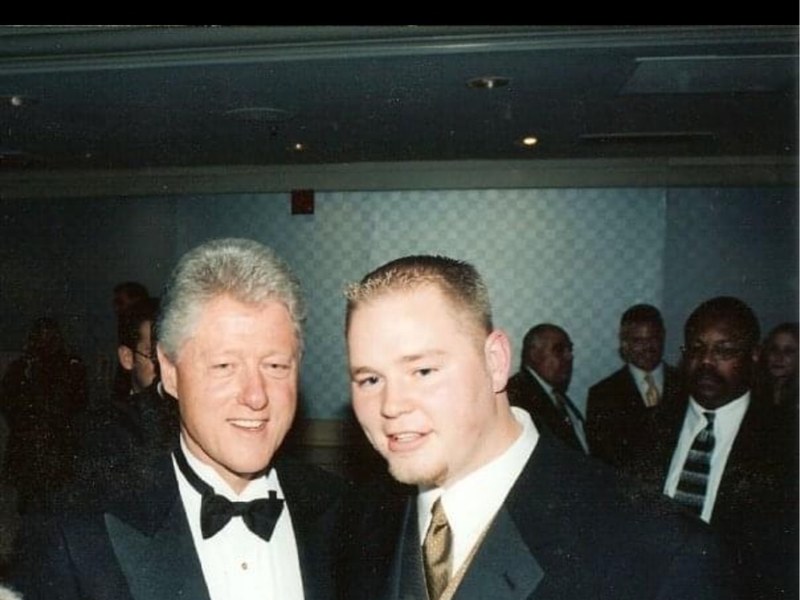
Bill Clinton
Chicago, 2001. Forty-Second President of the United States. First post-Cold-War two-term presidency. The tax code, the trade posture, and the credit environment American businesses run inside today were largely written under his signature.
Read the room →
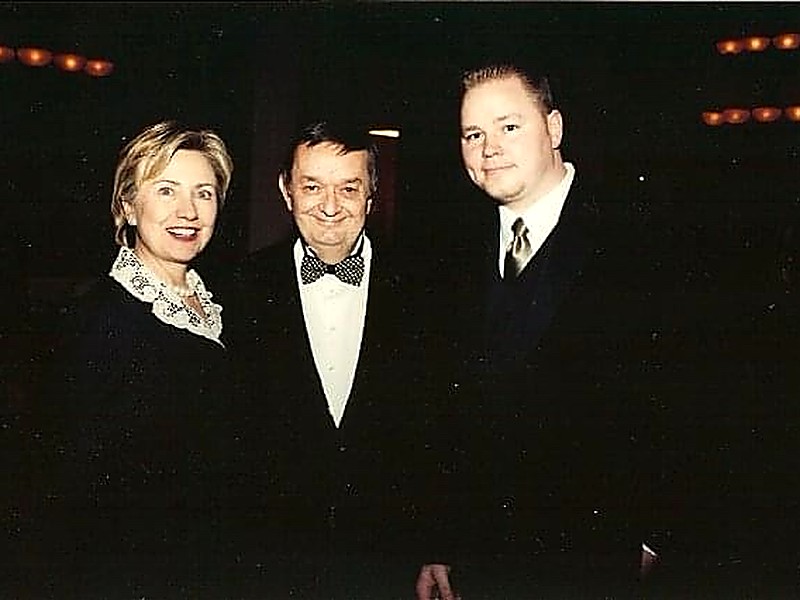
Hillary Clinton
United States Senator. Secretary of State. Twice a candidate for the presidency. One of the most consequential political careers of the modern era, from either side of the aisle. The kind of room you leave thinking differently about how power actually moves.
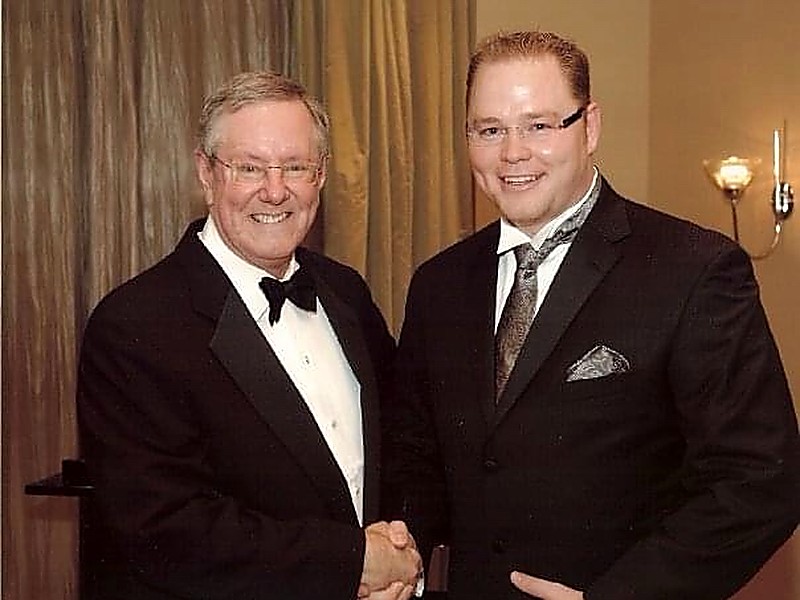
Steve Forbes
Editor-in-chief of Forbes. Chairman of Forbes Media. Two-time presidential candidate. His family built the media property that has named the 400 most successful capital allocators in America every year for four decades. When Forbes talks about money, the room listens.
Rev. Jesse Jackson
Civil rights leader. Two-time presidential candidate. Founder of Rainbow PUSH and the Wall Street Project. Nobody in the modern era pushed harder on the specific question of capital access for minority-owned businesses in America. Rooms like this one are where that fight got named.
Culture and Elite Performance
Six people who stayed at the top of their sport for two decades or more. There is no accident here. Longevity like this is a system. That is what I learned watching them.
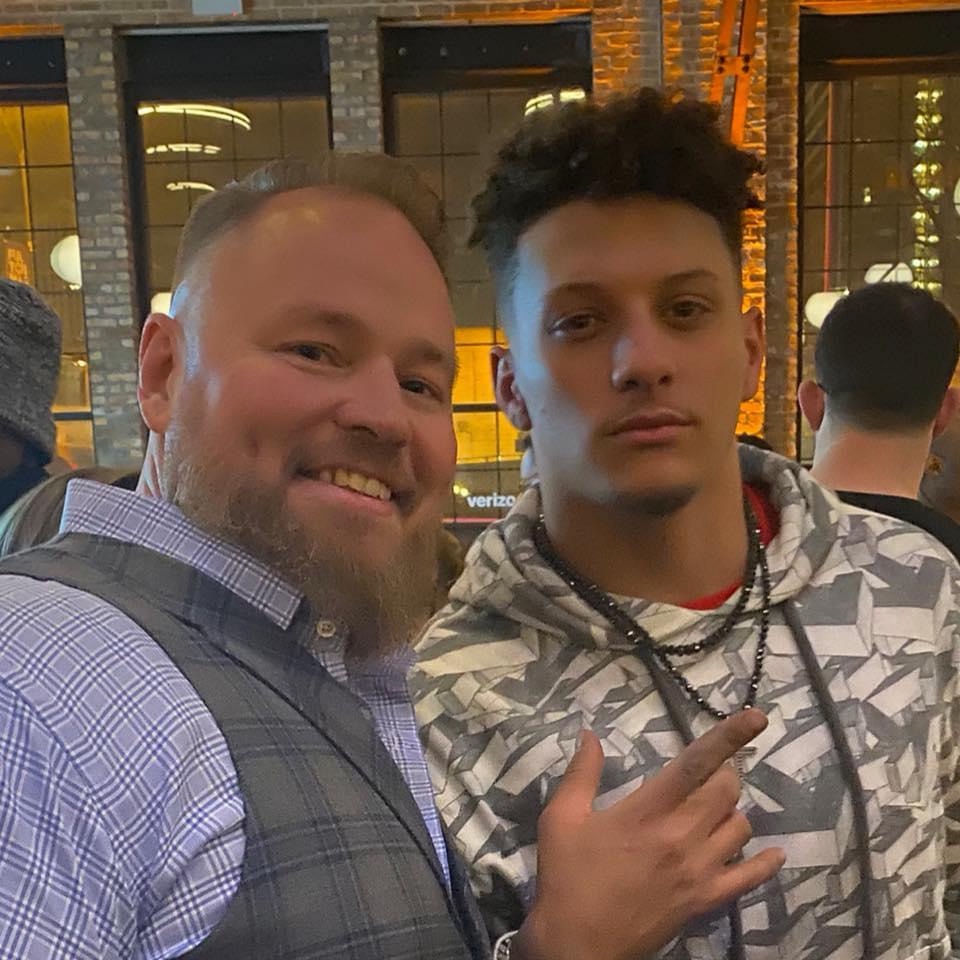
Patrick Mahomes
Three-time Super Bowl MVP. Three Super Bowl rings. And an ownership portfolio that includes the Kansas City Royals, Sporting KC, Alpine Formula 1, KC Current, Whataburger, and 1Password. He picks boring, cash-flowing businesses the way he picks receivers open on the boundary.
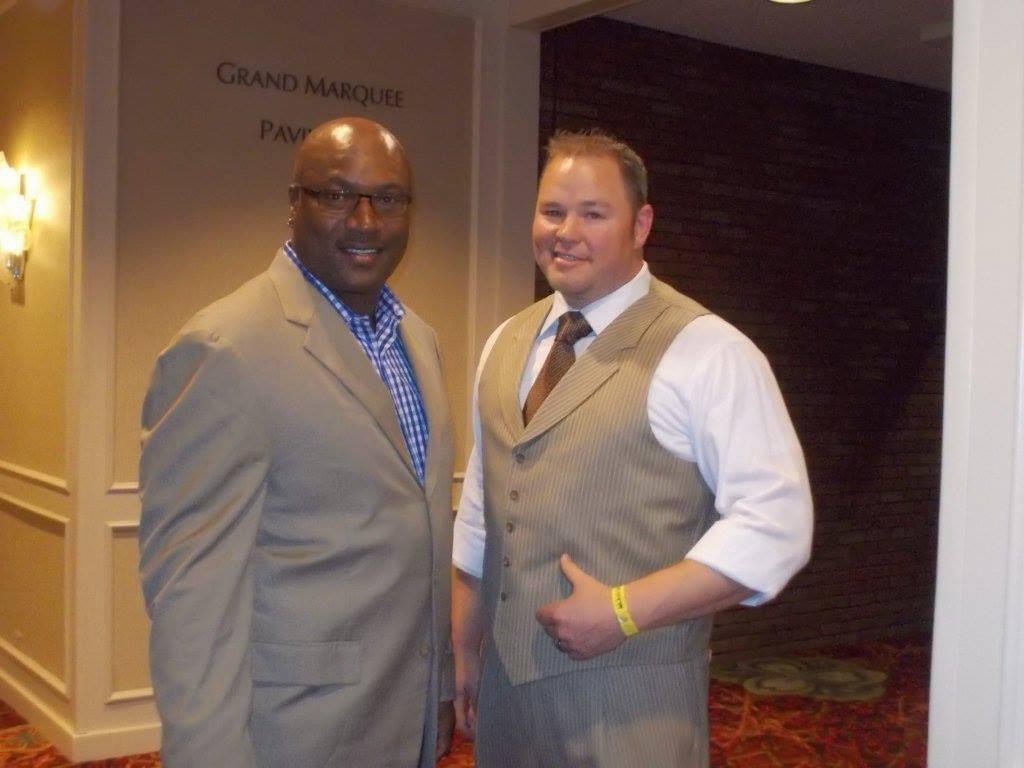
Bo Jackson
The only athlete to make an all-star team in two major American sports. Post-career, Bo runs Jackson & Partners, Bo Jackson Enterprises, Jackson Packaging, and Bo Jackson Elite Sports from the Chicago suburbs. He has also served as an advisory director at Burr Ridge Bank & Trust since 2008.
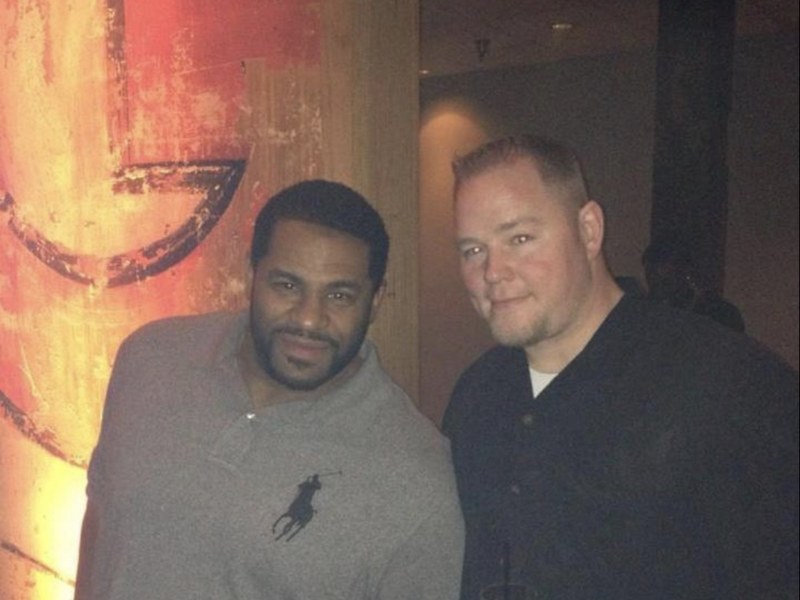
Jerome Bettis
Thirteen NFL seasons. 13,662 rushing yards. Hall of Fame. In 2007 he opened Jerome Bettis' Grille 36 on Pittsburgh's North Shore, in the shadow of Heinz Field, and ran it through more than a decade of restaurant-industry margin compression.
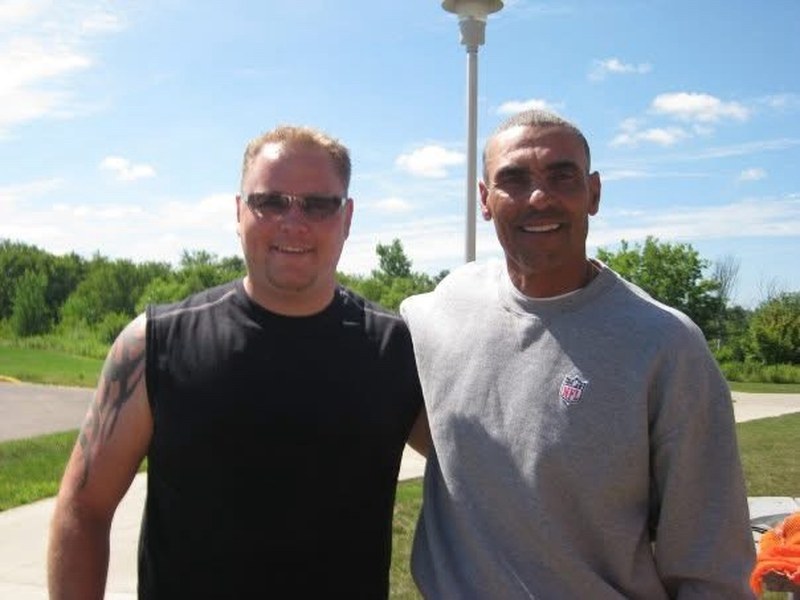
Herm Edwards
NFL head coach for the Jets and Chiefs. Eight-season NFL cornerback. Nine years on ESPN as an NFL analyst. Then head coach at Arizona State. Herm also gave American business its most enduring line, delivered in one of the most-quoted press conferences in league history: You play to win the game.
Patrick Kane
Three Stanley Cups with the Chicago Blackhawks. Conn Smythe MVP. Hart Trophy MVP. Widely named the best American-born forward in NHL history. Twenty years reading passing lanes at a speed no one else on the ice could see.
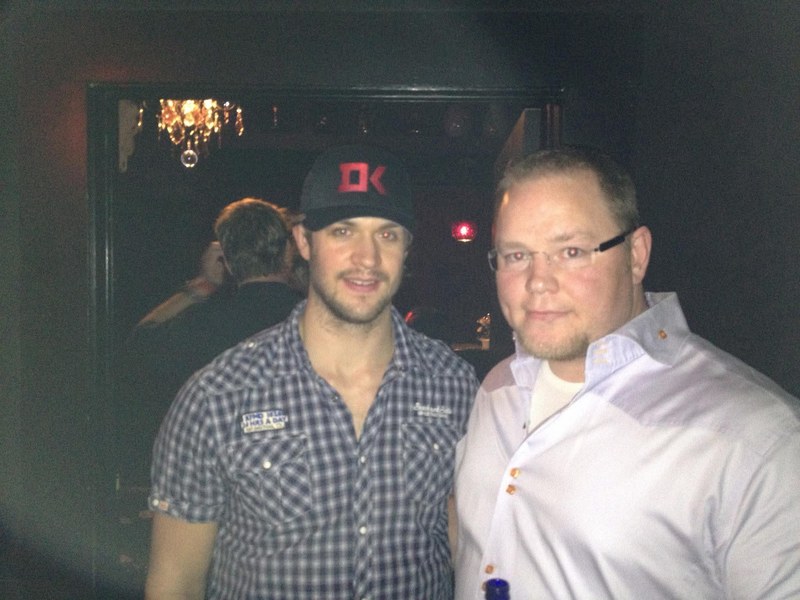
Brent Seabrook
Fifteen seasons with the Chicago Blackhawks. Three Stanley Cups. Defensive anchor of one of the great NHL dynasties of the modern era, paired for a decade and a half with Duncan Keith. In a league that chews up defensemen, Seabrook stayed.
Entrepreneurial Operators at Scale
Athletes, entertainers, and framework thinkers who built businesses that outlasted their first career. Nine people who understood, early, that the money was not the point. The system was the point.
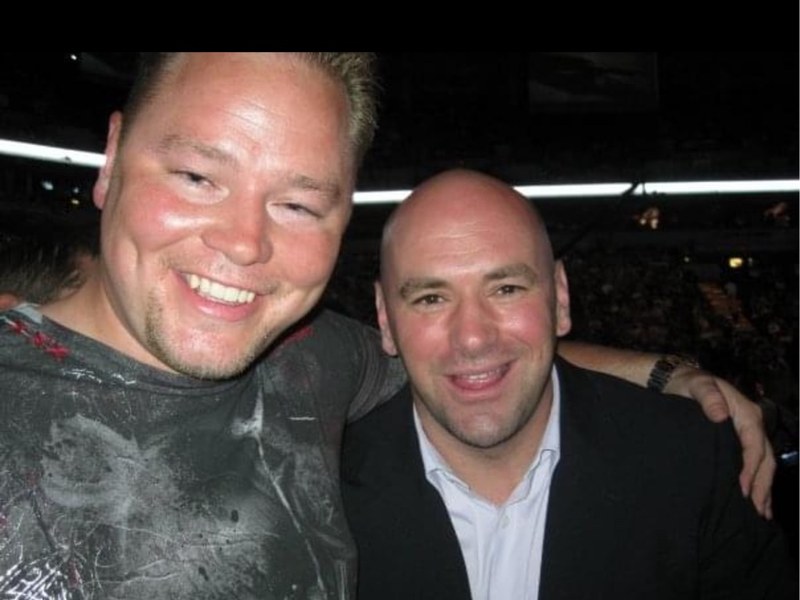
Dana White
UFC 87, Target Center, August 2008. Dana White and the Fertitta brothers bought UFC for two million dollars in 2001 and sold it for four billion in 2016. One of the great private-equity-adjacent turnarounds in modern American sport.
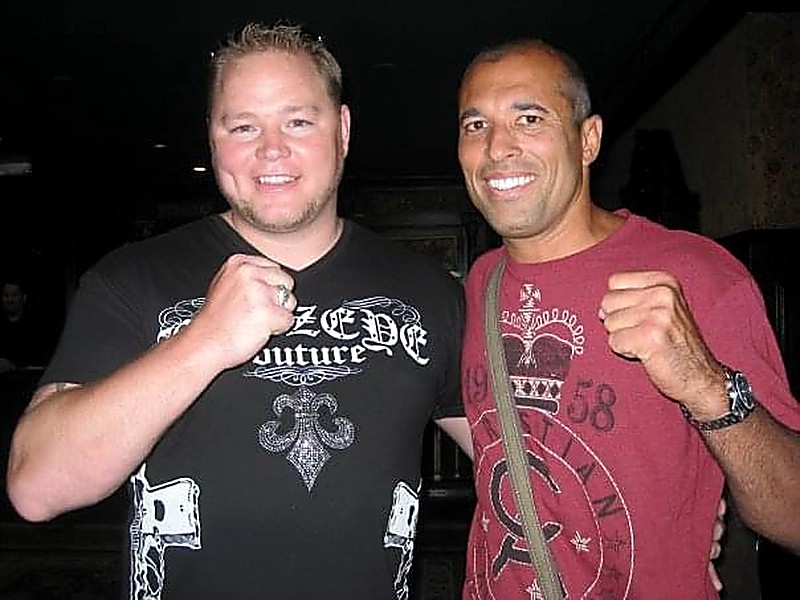
Royce Gracie
UFC 1, 2, and 4 champion. The fighter who proved Brazilian Jiu-Jitsu could beat anything else in the cage. Then he built a network of Royce Gracie Jiu-Jitsu Academies stretching from Los Angeles to Tokyo, part of the Gracie family's international business empire.
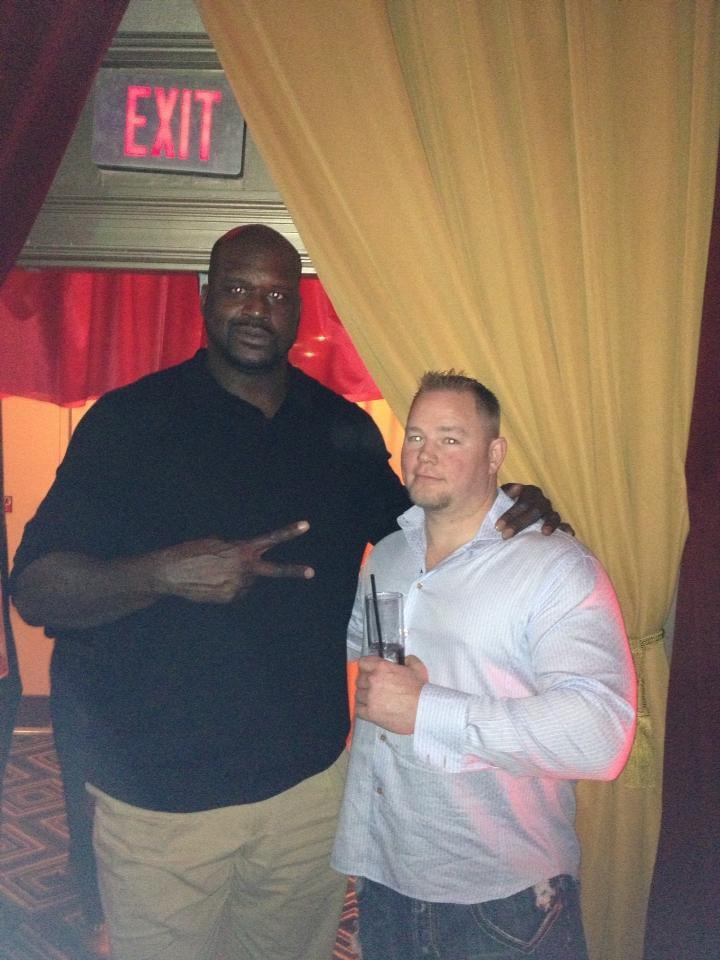
Shaquille O'Neal
Four NBA championships. Then more than 150 franchise businesses, real estate holdings, restaurants, and media ventures. Shaq's business empire is one of the most-studied athlete-to-owner playbooks in modern American sport. The Big Aristotle earned every syllable of that nickname off the court.
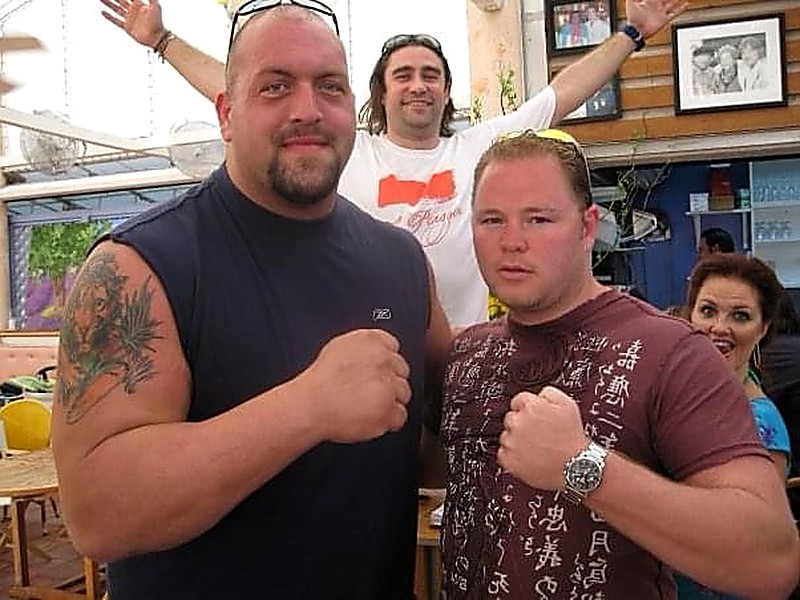
The Big Show (Paul Wight)
Twenty-seven years at the top of a physically brutal industry. World Heavyweight Champion in the WWE. Then a full-brand pivot to AEW in 2021 as commentator and coach, the kind of second act most in the industry never earn a shot at.
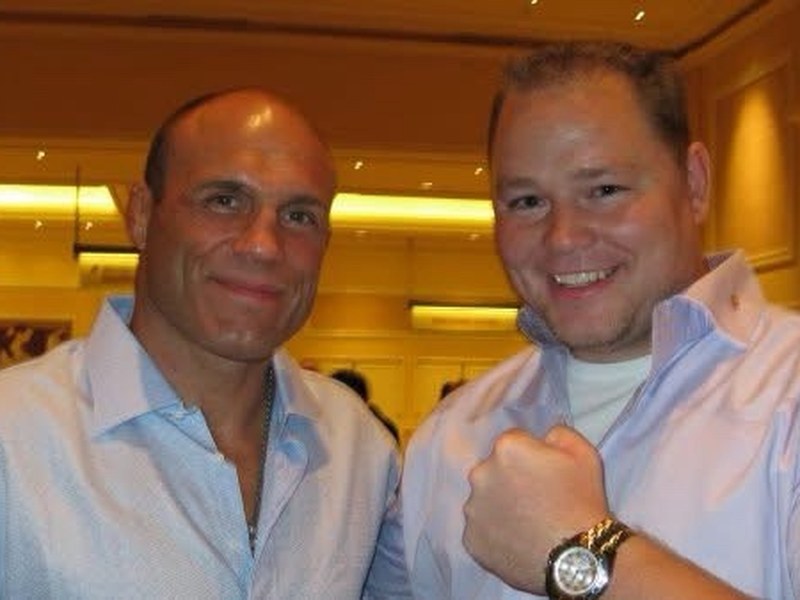
Randy Couture
Five UFC championships across two weight classes, at a time in the sport when nobody else was doing that. Then he built Xtreme Couture into a training-and-media business that has now outlasted his fight career by two decades.
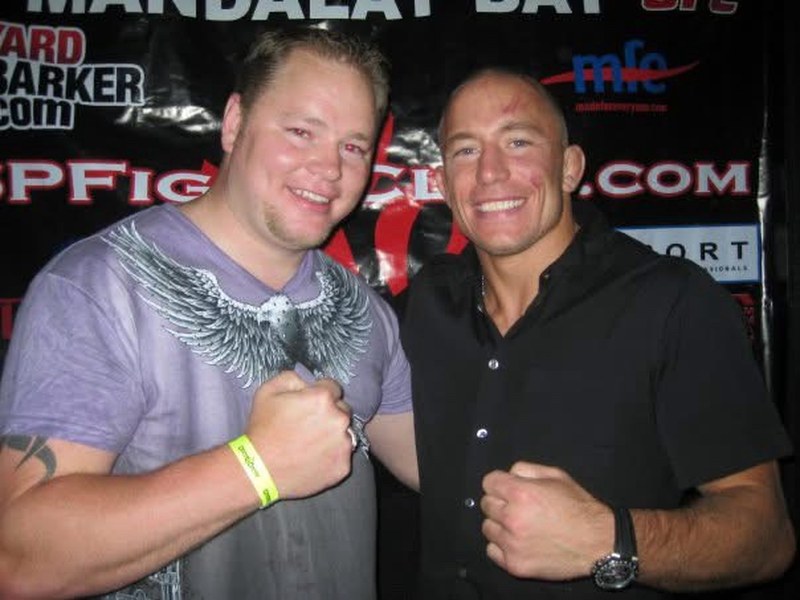
Georges St-Pierre
Two-division UFC champion. Widely named the greatest welterweight of all time. Black belt in Brazilian Jiu-Jitsu from the Gracie tradition. Retired on top, then built a personal-brand business estimated at $80M to $100M across endorsements, film roles, gym operations, and equity positions.
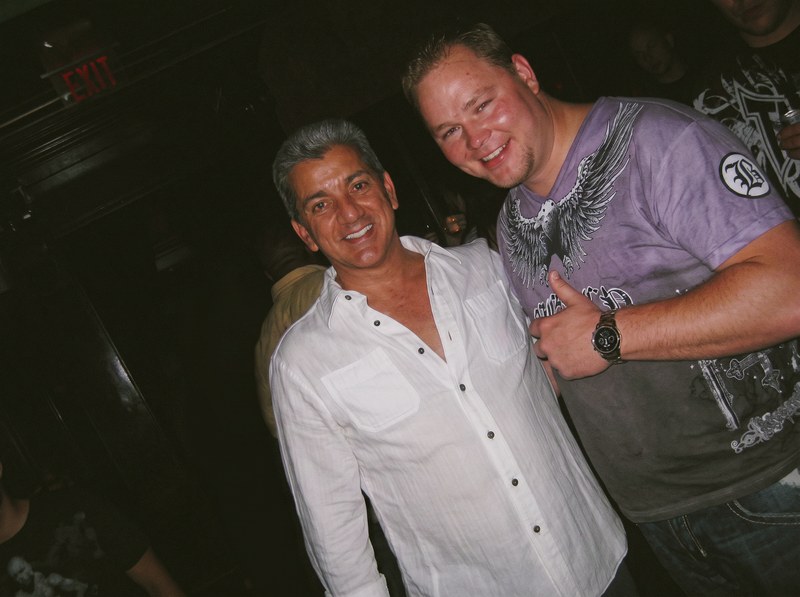
Bruce Buffer
The most recognizable voice in combat sports. Bruce built a media personality into a business that has grown alongside the UFC empire for three decades, one of the very few personal brands the sport did not eventually swallow.
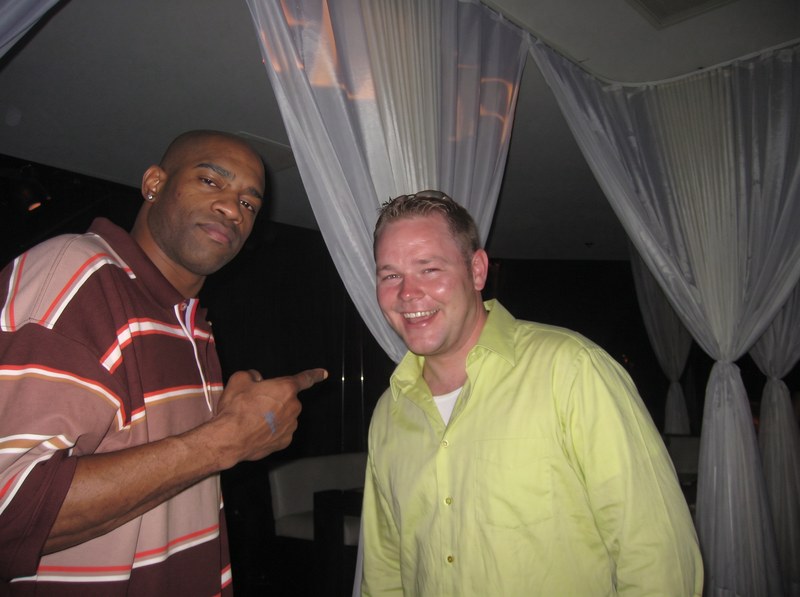
Vince Carter
The only player in NBA history to play in four different decades. Twenty-two seasons. Hall of Fame. Half-Man Half-Amazing at the start, load-management savant at the finish. Post-career he moved straight into ESPN television analysis and launched The VC Show podcast.
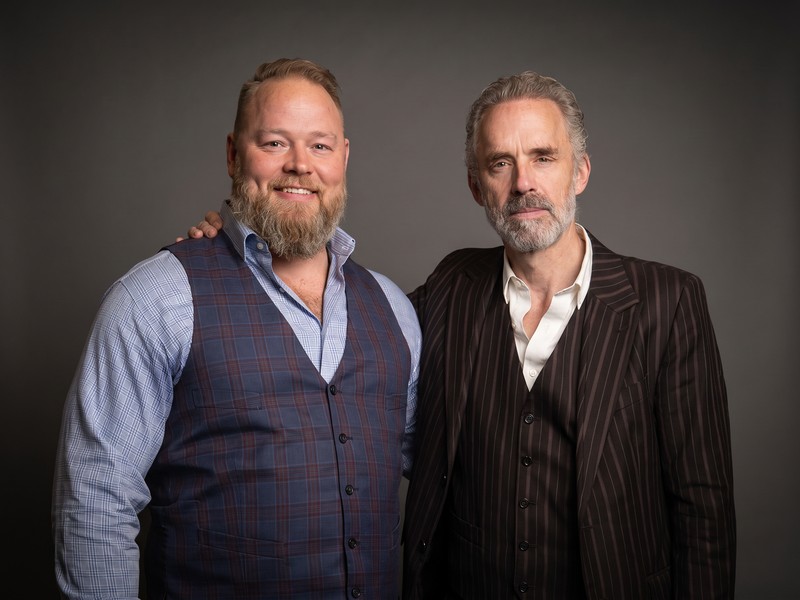
Jordan Peterson
Author of Maps of Meaning and 12 Rules for Life, which has sold more than ten million copies worldwide. Founder of Peterson Academy. Long-standing DailyWire+ media partner. Peterson turned a University of Toronto psychology professorship into one of the most consequential publishing and lecture businesses of the last decade.
Every room above builds under pressure with real feedback loops. Small business owners deserve the same.
The Aldebert Diagnostic reads a business the way a great quarterback reads a defense, the way an elite negotiator reads a room, the way a longevity athlete reads their own body. Live. In real time. Against the numbers that actually determine what happens next. Not after the play. During it.
Find My Leak →Make Jay a preferred source.
Choose jayaldebert.com as a Preferred Source to personalize your Google experience. Relevant coverage may appear more prominently in supported search features; placement is not guaranteed.